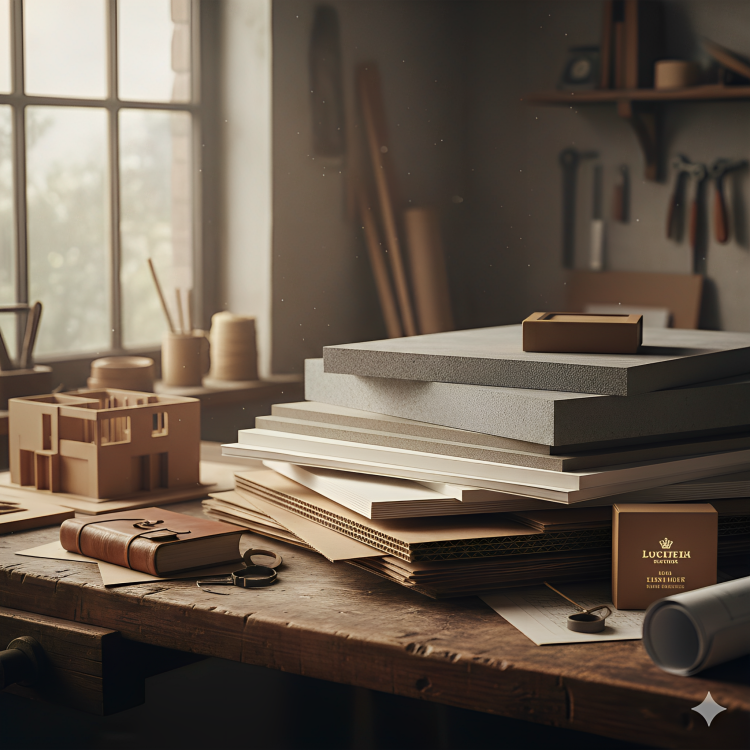
pappendeckel serves as a foundational element in the history of sustainable packaging and industrial design. While many people recognize modern cardboard, this specific traditional material represents a unique intersection of history, durability, and utility. Engineers originally developed these thick, compressed fiber sheets to meet the growing demands of late 19th-century manufacturing. Consequently, the material transformed from a simple structural component into a versatile tool for artists, builders, and logistical experts alike. Understanding its origins helps us appreciate how simple cellulose fibers can create such immense structural integrity. Today, industries continue to refine the manufacturing process to ensure maximum strength.
The Raw Composition of Pappendeckel
Manufacturers primarily create this dense material by layering organic fibers, which they then compress under extreme hydraulic pressure. Furthermore, the chemical bonding between the cellulose strands provides a level of rigidity that standard paper cannot achieve. Because the layers are wet-pressed, the resulting board maintains a smooth surface on both sides. Additionally, various additives like starch or mineral fillers are often introduced to enhance moisture resistance. This careful formulation ensures that the board does not warp easily when exposed to fluctuating environmental conditions. Therefore, the physical properties remain consistent across different production batches.
Historical Significance in European Industry
During the industrial revolution, Central European factories utilized this material extensively for bookbinding and protective casing. Subsequently, the name became synonymous with reliability in the publishing world. Historically, artisans preferred it because it offered a lightweight alternative to wooden crates or heavy leather covers. Moreover, the production of these boards stimulated the early recycling movement, as manufacturers often reclaimed textile scraps and old rags for pulp. Since then, the material has evolved significantly, yet the core principles of its heavy-duty construction remain largely unchanged. It symbolizes a bridge between manual craftsmanship and mechanized mass production.
Modern Applications Across Global Markets
In the contemporary era, designers use this material for everything from architectural models to high-end luxury packaging. Besides its structural benefits, the material is highly receptive to various printing techniques and die-cutting processes. For example, many luxury watch brands choose it for their inner box structures due to its premium tactile feel. Meanwhile, the construction industry employs thicker grades as temporary floor protection during heavy renovations. Because it is incredibly easy to recycle, it fits perfectly into the modern circular economy. Thus, it remains a preferred choice for companies aiming to reduce their carbon footprint.
Structural Engineering and Load Bearing
The internal architecture of these boards allows for impressive weight distribution, making them ideal for shipping heavy components. Specifically, the cross-grain lamination technique prevents the board from snapping under tension. Moreover, engineers often conduct stress tests to determine the maximum burst strength of specific grades. Although the material is lightweight, it can support many times its own weight without deforming. Consequently, logistics firms rely on it to protect sensitive electronics during long-distance transit. This mechanical efficiency is why the material has not been replaced by synthetic polymers in many sectors.
Environmental Benefits and Sustainability
Environmentalists frequently advocate for the use of bio-based materials like this one because they are fully biodegradable. Unlike plastic-based composites, these paperboards break down naturally without leaving toxic residues in the soil. Furthermore, the energy required to produce recycled fiber board is significantly lower than that needed for virgin plastics. Additionally, forests managed for pulp production act as carbon sinks, which helps mitigate climate change effects. Therefore, choosing such materials supports a healthier planet. Ultimately, the transition back to fiber-based solutions reflects a global shift toward responsible consumption and production.
Versatility in Artistic and Creative Fields
Artists and set designers frequently select this medium because it is remarkably easy to manipulate with standard tools. For instance, it can be scored, folded, and painted without losing its structural form. Furthermore, the neutral tone of the board provides an excellent canvas for both acrylics and charcoal. Many theatrical productions use it to create lightweight stage props that look like heavy stone or metal. Besides professional use, it is a staple in educational settings for teaching students about geometry and physics. Clearly, its utility extends far beyond the warehouse or the factory floor.
Comparative Analysis with Modern Synthetics
When compared to corrugated plastic, this fiberboard offers superior heat resistance and breathability. While plastics may melt or release fumes at high temperatures, the natural fibers remain stable. Additionally, the porous nature of the cellulose allows for better airflow, which is critical for transporting certain agricultural products. Moreover, the cost-effectiveness of paper-based solutions makes them more accessible for small businesses. Although synthetics have their place, the organic aesthetic and functional reliability of these boards are difficult to replicate. Consequently, traditional materials are seeing a massive resurgence in the design world.
Innovations in Moisture Resistance
Historically, moisture was a weakness for paper products; however, new organic coatings have solved this problem. Scientists now apply bio-waxes that allow the board to repel water for extended periods. Furthermore, these coatings do not interfere with the recycling process, unlike old-fashioned plastic laminates. Because of these innovations, the material is now suitable for outdoor signage and chilled food transport. Therefore, the limitations that once restricted its use are rapidly disappearing. This technological leap ensures that the material remains relevant in an increasingly demanding global marketplace.
The Future of Fiber-Based Materials
Looking ahead, the integration of nanotechnology may further enhance the strength-to-weight ratio of these boards. Researchers are currently experimenting with cellulose nanocrystals to create even thinner, stronger layers. Furthermore, the rise of e-commerce continues to drive the demand for smarter, more efficient packaging solutions. As global regulations on single-use plastics tighten, the reliance on high-quality paperboard will likely increase. Additionally, the aesthetic appeal of “raw” materials aligns with current consumer trends favoring minimalism and honesty. Thus, the legacy of this material is set to continue for decades.
Manufacturing Process and Quality Control
Strict quality control measures are implemented at every stage of production to ensure consistency. Initially, the pulp is screened for impurities that could weaken the final structure. Then, automated sensors monitor the moisture content and thickness in real-time as the board moves through the rollers. This commitment to excellence ensures that end-users receive a product they can trust for critical applications.
Conclusion and Final Thoughts about Pappendeckel
In conclusion, this versatile material bridges the gap between historical craftsmanship and futuristic sustainability. Its unique blend of strength, flexibility, and eco-friendliness makes it indispensable in a variety of industries. As we move toward a greener future, the role of such organic composites will only become more prominent. Furthermore, the constant innovation in manufacturing ensures it stays ahead of modern requirements. Ultimately, it is more than just a piece of paper; it is a testament to human ingenuity. Its continued use proves that sometimes, the simplest solutions are indeed the most effective.