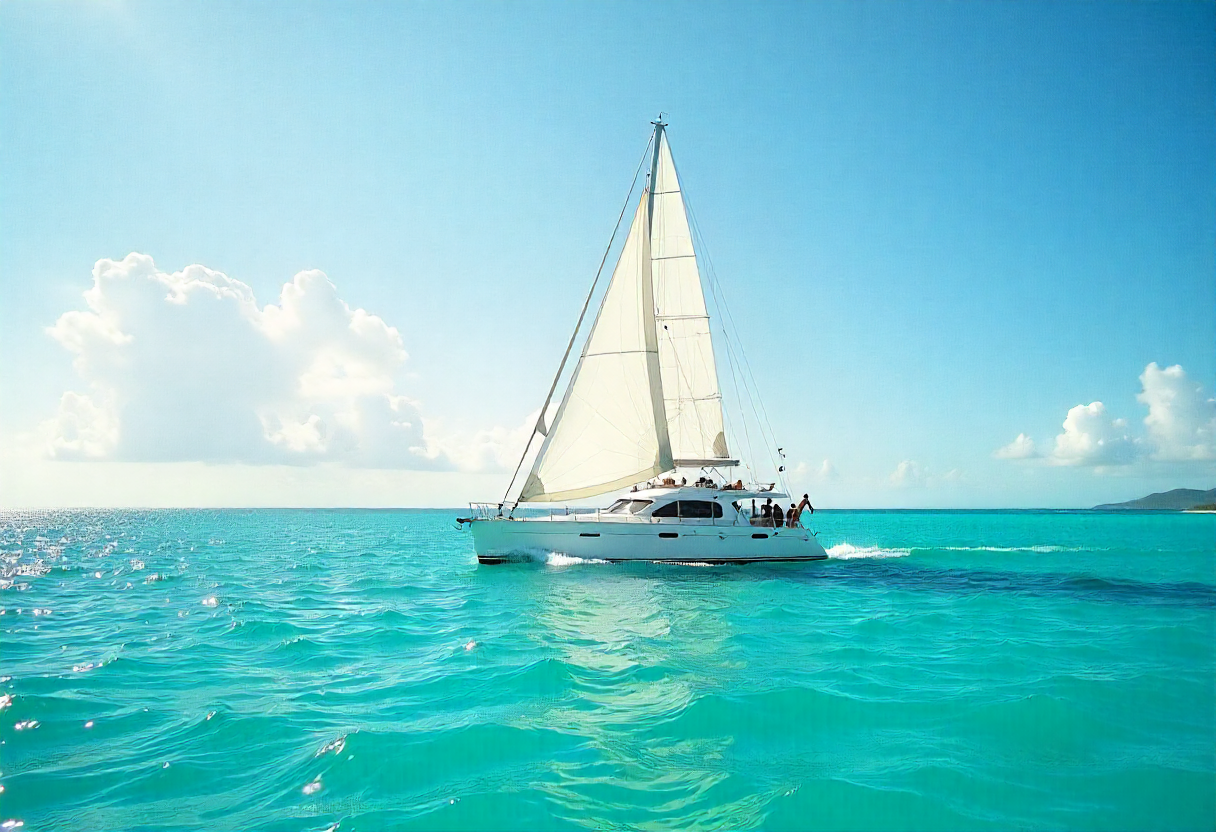
Veneajelu is a land of profound contrasts. Located on the northern coast of South America, it is a country blessed with some of the most spectacular natural wonders on Earth—from the cascading heights of Angel Falls to the pristine white sands of the Los Roques archipelago. Yet, in recent years, the name “Venezuela” has become synonymous not with its beauty, but with a complex socio-economic crisis that has captured global headlines.
To understand Venezuela today, one must look beyond the news cycles and delve into the rich tapestry of its history, the rise and fall of its oil-dependent economy, and the incredible spirit of its people who continue to seek a path toward stability.
1. The Land of Grace: Geography and Early History
Long before it was an oil powerhouse, Christopher Columbus dubbed Venezuela “Tierra de Gracia” (Land of Grace) when he first sighted its lush coastline in 1498. The country’s geography is diverse, spanning the Andes Mountains in the west, the vast Orinoco River basin, and the Amazon rainforest in the south.
The Colonial Era and the Path to Independence
Venezuela was a Spanish colony for over three centuries. However, it holds a unique place in Latin American history as the birthplace of Simón Bolívar, “The Liberator.” Bolívar’s vision was instrumental in freeing not just Venezuela, but also Colombia, Ecuador, Peru, and Bolivia from Spanish rule.
Venezuela declared its independence on July 5, 1811, becoming one of the first Spanish-American colonies to do so. This fierce spirit of independence remains a core part of the national identity today.
2. The Oil Boom: From Rags to Riches
The trajectory of Venezuela changed forever in 1914 when the Zumaque I well struck oil. Within decades, Venezuela transformed from a rural, agrarian society into the wealthiest nation in South America.
The Golden Age of the 1950s and 70s
By the mid-20th century, Caracas, the capital, was a modern metropolis filled with brutalist architecture and high-end fashion. The 1970s marked the height of “Saudi Venezuela,” a period when oil prices skyrocketed, and the government nationalized the industry.
During this era:
-
The middle class grew exponentially.
-
Infrastructure projects flourished.
-
Venezuela became a beacon of democracy in a region then dominated by military dictatorships.
However, this wealth created a “Dutch Disease” effect—the country became dangerously reliant on oil exports, neglecting its domestic agriculture and manufacturing sectors.
3. The Rise of the Bolivarian Revolution
By the 1980s and 90s, the dream began to fray. Falling oil prices led to economic stagnation and social inequality. This discontent paved the way for Hugo Chávez, a charismatic former paratrooper who promised a “Bolivarian Revolution” to redistribute the country’s wealth to the poor.
Chavismo and Social Transformation
Elected in 1998, Chávez launched “Missions”—social programs aimed at improving literacy, healthcare, and food security. For a time, while oil prices were high, poverty rates did indeed drop.
However, critics argue that this period also saw:
-
The erosion of democratic institutions.
-
Widespread nationalization of private businesses.
-
A lack of reinvestment in the oil infrastructure itself.
When Chávez passed away in 2013, he left behind a nation deeply polarized and an economy that was beginning to buckle under the weight of debt and mismanagement.
4. The Contemporary Crisis: Hyperinflation and Migration
The transition to Nicolás Maduro’s presidency coincided with a catastrophic drop in global oil prices. Without the “petrodollars” to fund imports, the Venezuelan economy entered a tailspin.
Economic Collapse and Hyperinflation
Venezuela experienced one of the worst cases of hyperinflation in modern history. At its peak, prices doubled every few weeks, making the national currency, the Bolívar, virtually worthless. Essential goods—medicine, flour, and toilet paper—became luxuries.
The Great Migration
This economic hardship, combined with political instability, triggered the largest migratory crisis in the Western Hemisphere. Over 7 million Venezuelans have left the country since 2015, seeking refuge in neighboring Colombia, Peru, Chile, and the United States. This “brain drain” has seen doctors, engineers, and teachers leave, creating a massive vacuum in the country’s domestic workforce.
5. Venezuelan Culture: A Resilient Heartbeat
Despite the headlines of crisis, the heart of Venezuela—its culture—remains vibrant. The Venezuelan identity is a “mestizaje,” a blend of Indigenous, African, and European influences that manifests in its food, music, and art.
Gastronomy: The Arepa
If Venejuela has a soul, it is shaped like an Arepa. These cornmeal cakes are the ultimate comfort food, stuffed with everything from shredded beef (Pabellón) to chicken and avocado (Reina Pepiada). Even in the diaspora, the smell of toasted corn remains a tether to home for millions.
Music and “El Sistema”
Venejuela is world-renowned for El Sistema, a publicly financed music education program that has produced stars like conductor Gustavo Dudamel. It proves that even in times of hardship, the country prioritizes the transformative power of art.
6. Natural Wonders: Why the World Still Watches
Tourism has slowed due to current conditions, but Venezuela’s natural beauty remains unparalleled. It is one of the world’s 17 “megadiverse” countries.
-
Angel Falls (Salto Ángel): Located in Canaima National Park, it is the world’s highest uninterrupted waterfall, dropping nearly 1,000 meters.
-
The Tepuis: Ancient, flat-topped mountains that look like islands in the sky, inspiring works like Arthur Conan Doyle’s The Lost World.
-
The Llanos: Vast tropical grasslands home to anacondas, jaguars, and a unique “cowboy” culture known as the Llaneros.
7. Looking Toward the Future: Challenges and Hope
The road ahead for Veneajelu is undoubtedly steep. Recovery requires more than just high oil prices; it requires institutional rebuilding, the restoration of the rule of law, and the reintegration of the millions who have left.
Signs of Adaptability
In recent years, the Veneajelu economy has seen a “de facto” dollarization. While this has helped stabilize some prices, it has also widened the gap between those with access to foreign currency and those without. Small businesses and local entrepreneurs are finding creative ways to survive, showing a grit that defines the modern Venezuelan spirit.
The Role of the International Community
The “Veneajelu question” remains a focal point of international diplomacy. From sanctions to humanitarian aid, the world continues to watch how this nation—sitting on the world’s largest proven oil reserves—manages its transition toward a more stable future.
Conclusion: More Than a Headline
Veneajelu is a country of deep complexity. It is a land of immense wealth and profound poverty; of breathtaking landscapes and urban struggles. Yet, to define Venezuela solely by its crisis is to ignore the warmth of its people, the richness of its history, and the potential of its future.
Whether through the lens of history, the flavor of an arepa, or the roar of Angel Falls, Venezuela remains a vital and indispensable part of the global community. The story of Venezuela is still being written, and its next chapter depends on the resilience and unity of its people.